For decades, marketers have lived with an uncomfortable truth: the offline world has been notoriously difficult to measure.
A billboard on a busy promenade might attract thousands of eyes, but how many people acted on it? A beautifully designed product package might sit on millions of store shelves, but did anyone scan the recipe behind the label? A business card exchanged at a networking event could lead to a valuable partnership—or disappear into someone's wallet forever.
Creating marketing collateral is only the beginning. Its value lies in understanding how people engage with it. Without that insight, marketers are left to infer awareness and campaign performance rather than measure it.
That has long been digital marketing's greatest advantage. Every click, impression, and conversion could be tracked, while traditional marketing was judged largely by proxies and educated guesses.
Large consumer brands such as Unilever and Procter & Gamble have spent decades building sophisticated models to estimate the impact of traditional campaigns, using sales, production, and inventory data to understand demand across regions. For most small and medium-sized businesses, however, that level of measurement has never been practical.
Offline marketing has always excelled at creating awareness. What it has struggled to answer is the question that matters most: Did it work?
QR Code Analytics: The Missing Piece Between Offline Marketing and Real Business Growth
Dynamic QR Codes have changed the equation.
They turn physical touchpoints—billboards, packaging, window displays, flyers, menus, and business cards—into measurable digital interactions. For the first time, brands can understand how people engage with physical marketing assets, narrowing the gap between offline and digital campaigns.
The scan, however, is only the starting point.
Without analytics, a QR Code is little more than a redirect. It tells you that someone reached a webpage, but not where they came from, which campaign drove them there, or how one campaign compared with another.
That's where Marqr comes in.
Every Dynamic QR Code and Short Link created with Marqr includes detailed analytics that transform anonymous scans into meaningful customer insights. Instead of relying on assumptions, businesses can measure the performance of their physical marketing with the same confidence they've come to expect from digital campaigns.
Dynamic vs. Static QR Codes: Which Is Right for You?
Dynamic vs. Static QR Codes
QR Code Analytics are only possible with Dynamic QR Codes.
Unlike Static QR Codes, which permanently embed a destination URL, Dynamic QR Codes route scans through a secure redirect. This allows you to update the destination without reprinting the QR code while also capturing valuable scan analytics.
If you're using QR codes for marketing, Dynamic QR Codes provide the flexibility to edit destinations, reuse printed materials, and measure campaign performance—all from a single dashboard.
Want a deeper comparison? Read our guide on How to Edit Content on Dynamic QR Codes Without Reprinting.
Fundamentals of Scan Analytics
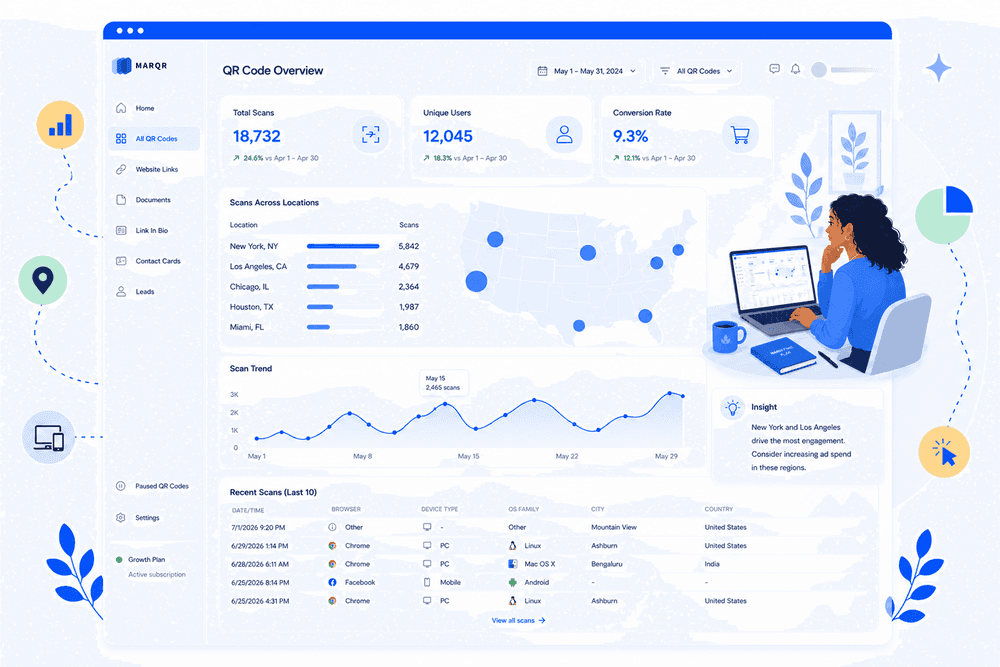
Every Dynamic QR Code and Short Link created on Marqr comes with a dedicated analytics dashboard designed to help you understand not just how many people scanned your QR code, but how they interacted with it. Together, these insights paint a complete picture of your campaign's performance and help you make better marketing decisions.
Total Scans: See the total number of times your QR Code has been scanned. It's the quickest way to measure the reach and visibility of your campaign.
Average Dwell Time: Measure how long visitors stay after scanning. Longer dwell times often indicate that your content is engaging and relevant.
Recent Scans: View the ten most recent scans with timestamps, browser, device, operating system, and location. Monitor campaign activity as it happens.
Scan Activity Timeline: Track scan trends over the last 7 days, 30 days, 12 weeks, or 4 months. Spot campaign spikes, seasonal patterns, and changes in engagement over time.
Browser Analytics: See which browsers your audience uses, helping you test compatibility and resolve browser-specific issues.
Device Breakdown: Understand whether visitors scan from mobile or desktop, so you can optimize the experience for the devices they actually use.
Operating System Insights: View the distribution of iOS, Android, Windows, and macOS users to identify compatibility issues and improve cross-platform performance.
Location Analytics: Discover where scans originate with country, state, and city-level insights to measure regional performance and audience reach.
Interactive Drill-Down Reports: Click any browser, device, operating system, or location to filter your data and view the scans behind each segment.
Bring together scan activity, engagement, technical data, and location insights in one dashboard to understand what's working and make smarter marketing decisions.
Where Tracking Matters
Analytics become valuable only when they help answer real business questions.
The companies extracting the greatest value from QR codes aren't necessarily creating more QR codes than everyone else. They're simply placing them where customer behaviour matters most.
QR Code Tracking for Out-of-home Advertising Campaigns
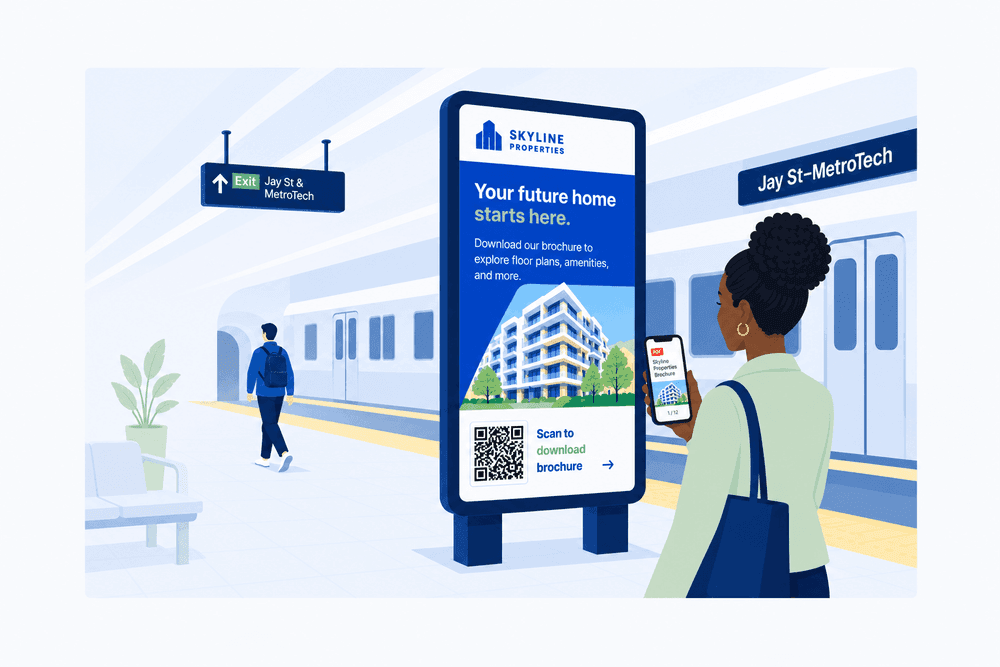
A billboard may receive thousands of daily impressions, but impressions alone don't reveal whether anyone acted on the message. By incorporating a Dynamic QR Code, marketers can finally connect physical visibility with measurable engagement. A spike in scans after launching a new billboard campaign provides tangible evidence that people noticed—and responded.
QR Code Tracking Product Packaging
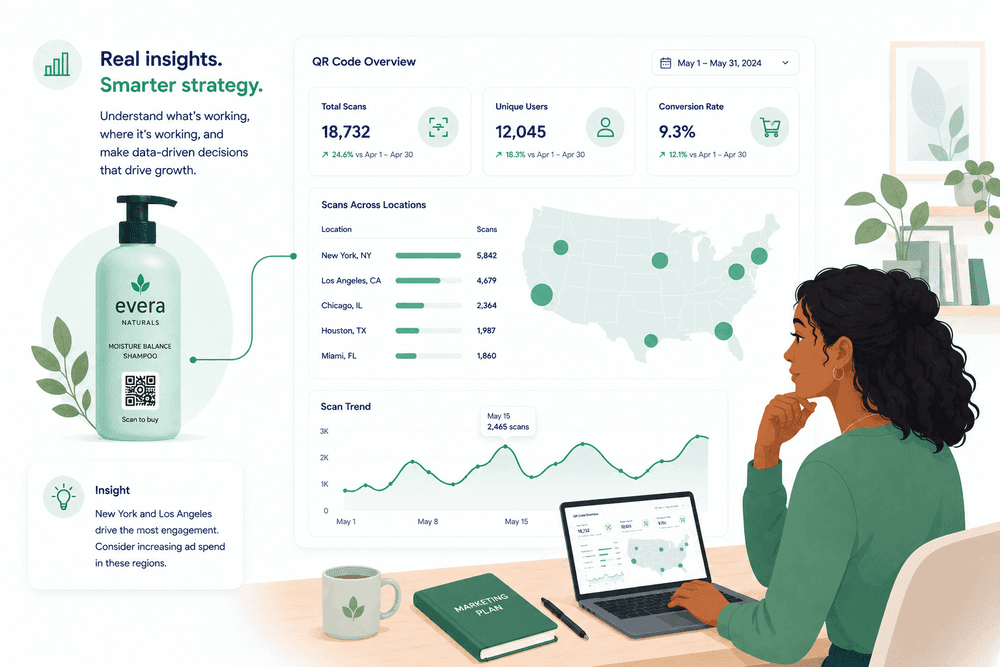
Product packaging offers another compelling example. Packaging has traditionally been viewed as the final step in the purchasing journey, but increasingly it has become the beginning of a longer customer relationship. A QR code can lead customers to instructional videos, recipes, warranty registration, complementary products, or loyalty programmes. The analytics reveal far more than simple curiosity; they show which products inspire deeper engagement long after they leave the store shelf.
QR Code Tracking for Customer Engagement
Conclusion
Whether you're running out-of-home advertising, managing product packaging, printing restaurant menus, or creating business cards, every scan tells part of your customer's story.
With Dynamic QR Codes and built-in analytics from Marqr, you can move beyond guesswork, measure what matters. Turn every scan into actionable insight and continuously improve every campaign you launch.